
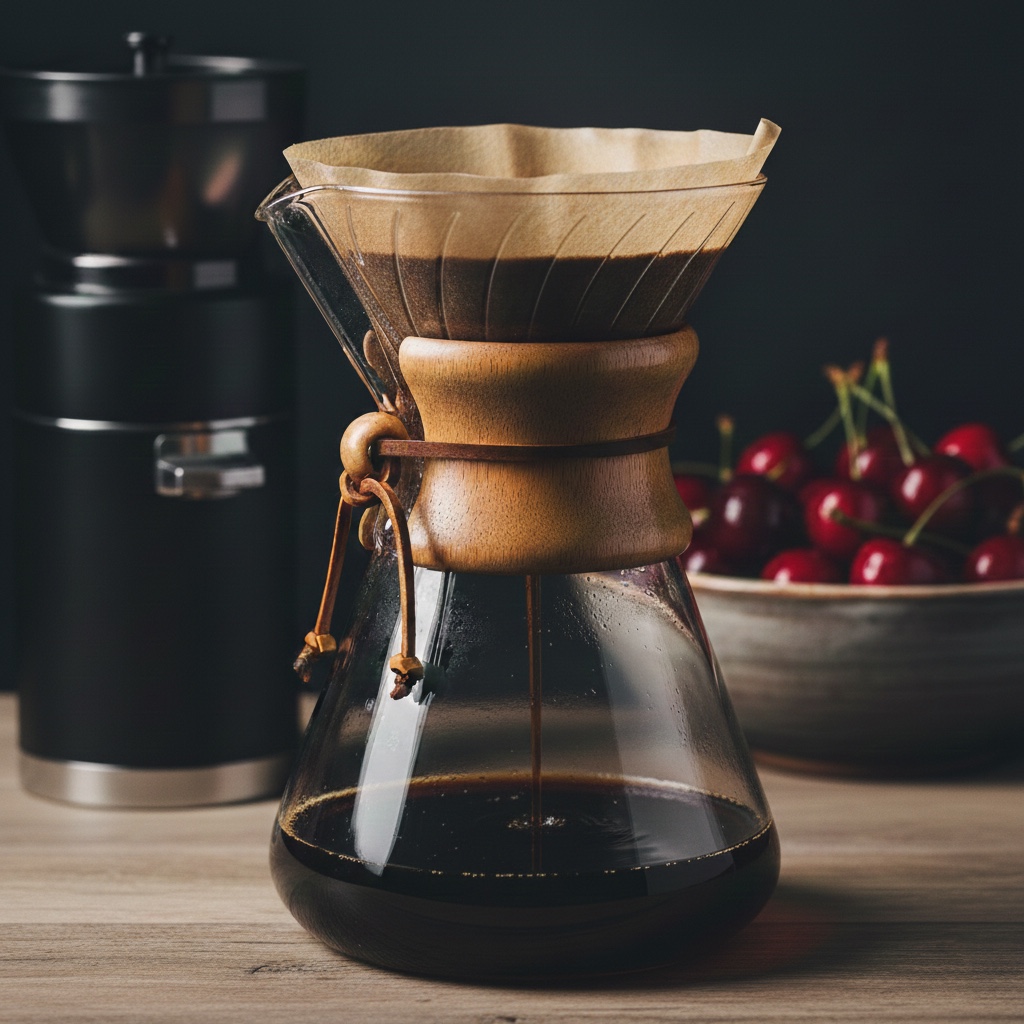
My Honest Take on Door County’s Cherry Creme Coffee
Coffee isn’t just caffeine to me; it’s a sensory evaluation. The flavor profile varies wildly, stretching from the bright, citrusy acidity of a Kenyan bean to the earthy, chocolatey depths of a Sumatran roast. When a roaster flirts with flavored infusions, it feels like the culinary equivalent of a chef craving a high-end burger after a week of plating deconstructed foams, it’s an invitation to something comforting, nostalgic, and just a little bit playful.
However, flavored coffee is a minefield. As someone who has balanced sauces for a living, I know that artificial flavoring is a blunt instrument. It lacks the nuance of real ingredients. Cherry, specifically, is the most dangerous flavor profile in the pantry. Done right, it evokes the tart, sun-drenched orchards of the Midwest. Done wrong, it tastes like the red liquid your mom used to force-feed you when you had a fever in 1994. It’s a thin line between “gourmet dessert” and “pharmaceutical byproduct.”
So, when I spotted Door County Coffee’s Cherry Creme at the store, I felt that familiar tug of curiosity mixed with a healthy dose of professional skepticism. Door County is legendary for their fruit-forward blends, they sit right in the heart of cherry country, after all. If anyone could pull off the delicate balance of stone fruit and Arabica beans, it should be them. I dropped the packet into my basket, half-hoping for a liquid cherry pie and half-fearing the cough syrup ghost of Christmases past.
The First Look: Appearance and Aroma
The moment I cut into the packet, I went into “chef mode.” I wasn’t just looking for coffee; I was looking for quality indicators. The first thing that struck me was the roast profile. Many flavored coffees use “past-their-prime” beans, hiding defects behind a heavy oily sheen or an over-roasted bitterness. This was different. The grounds had a rich, consistent dark color, think mahogany or a well-aged cast-iron skillet. It looked like high-quality Specialty Grade Arabica, which is the foundation of any good cup.
Then came the scent. Before the water even touched the grounds, I took a deep draw of the dry aroma. It was surprisingly pleasant. There was a clear hint of cherry, but it didn’t punch me in the face. It felt “subdued” in the best way possible, not like a chemical explosion, but like walking past a cooling pie on a windowsill. There was a creamy undertone, likely the “Creme” part of the equation, that softened the fruit notes.
However, a curious thing happened during the brewing process. Usually, the heat of the water acts as a catalyst, blooming the aroma and filling the kitchen with the scent of the flavor. With the Cherry Creme, the aroma seemed to retreat. While the coffee dripped, the scent was faint, almost shy. As a reviewer, this signaled one of two things: either the flavoring was exceptionally natural and delicate, or it was going to be completely lost in the body of the coffee.
Flavor Profile and Nuance: The Great Divide
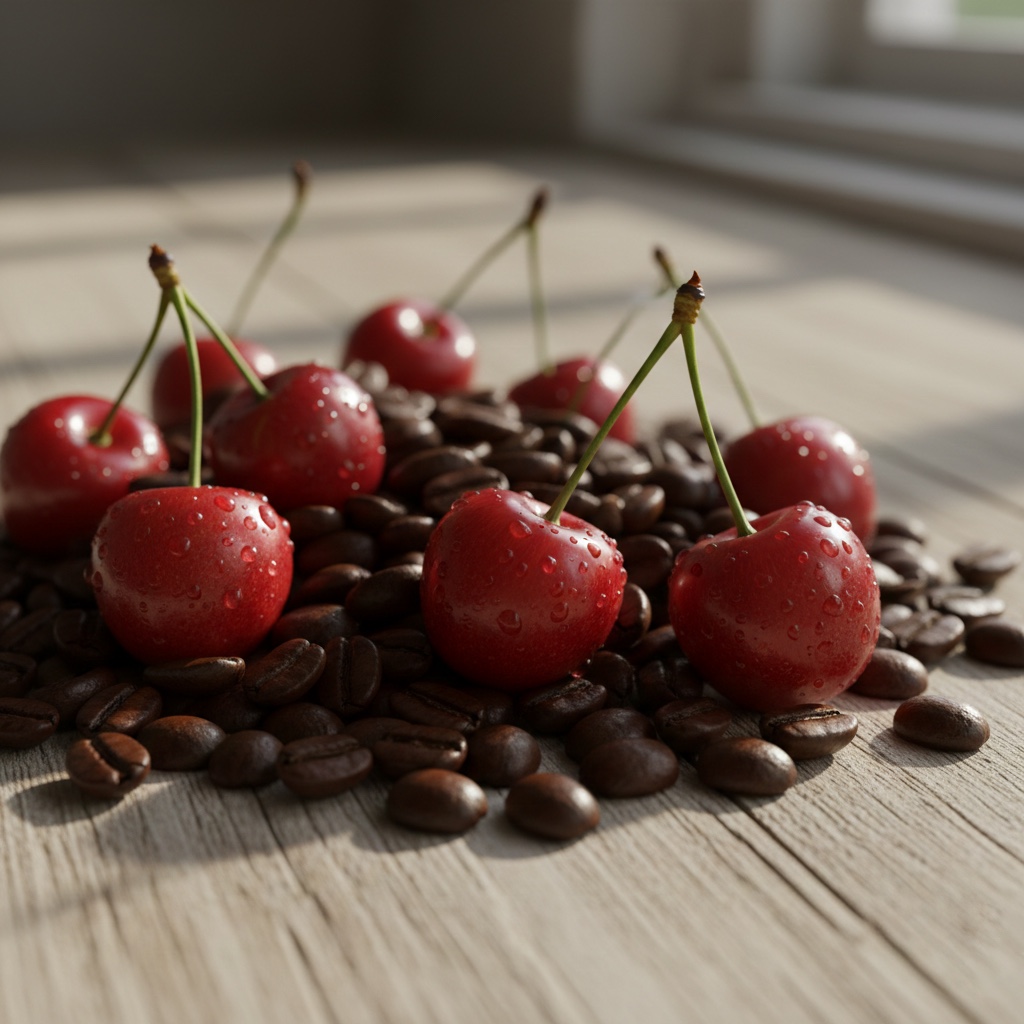
This is where the experience moved from a pleasant morning brew to a complex culinary puzzle. I poured my first cup black to ensure I was tasting the raw profile without the interference of dairy or sugar.
The initial sip was actually quite lovely. I detected a genuine “sweet and tart” sensation, the hallmark of a good Montmorency cherry. For a second, I thought I had found a new favorite. But as the liquid moved across my mid-palate and reached the finish, the “complications” began. The aftertaste didn’t linger as fruit; it transformed into that cloying, medicinal note I had feared. It felt heavy on the back of the tongue, reminiscent of cherry-flavored lozenges.
I’m a firm believer in the “Rule of Three” from my kitchen days. You never judge a dish on the first bite alone, your palate needs to adjust. So, I tried it again the next morning. Then a third time. I experimented with different water temperatures and even added a splash of cream to see if the fat would bridge the gap between the coffee and the fruit. The result was frustratingly inconsistent. One sip would be bright and dessert-like; the next would taste like a drugstore shelf.
Behind the Technique: The Challenge of the Stone Fruit
Why is cherry coffee so hard to get right? As a former chef, I can tell you that cherry is a “high-volatile” flavor. In a pan, if you over-reduce a cherry gastrique, it immediately turns bitter and “woody.” In coffee, you are dealing with the natural acidity of the bean (which is itself a fruit pit) and the added acidity of the flavoring.
Door County Coffee uses a specific air-roasting technique, which I generally admire because it removes the chaff and prevents the burnt taste you get from traditional drum roasters. Paradoxically, because the coffee base is so clean and smooth, the flaws in the flavoring have nowhere to hide. In a rougher, lower-quality coffee, the cherry might have blended into the bitterness. Here, the bean’s quality highlighted the fruit note’s artificiality.
Overall Rating: 2.5 / 5 Stars
A high-quality bean trapped in a confusing identity crisis. It’s a “try once for the novelty” brew, but not a daily driver.
Chef’s Pairings: How to Salvage the Sip
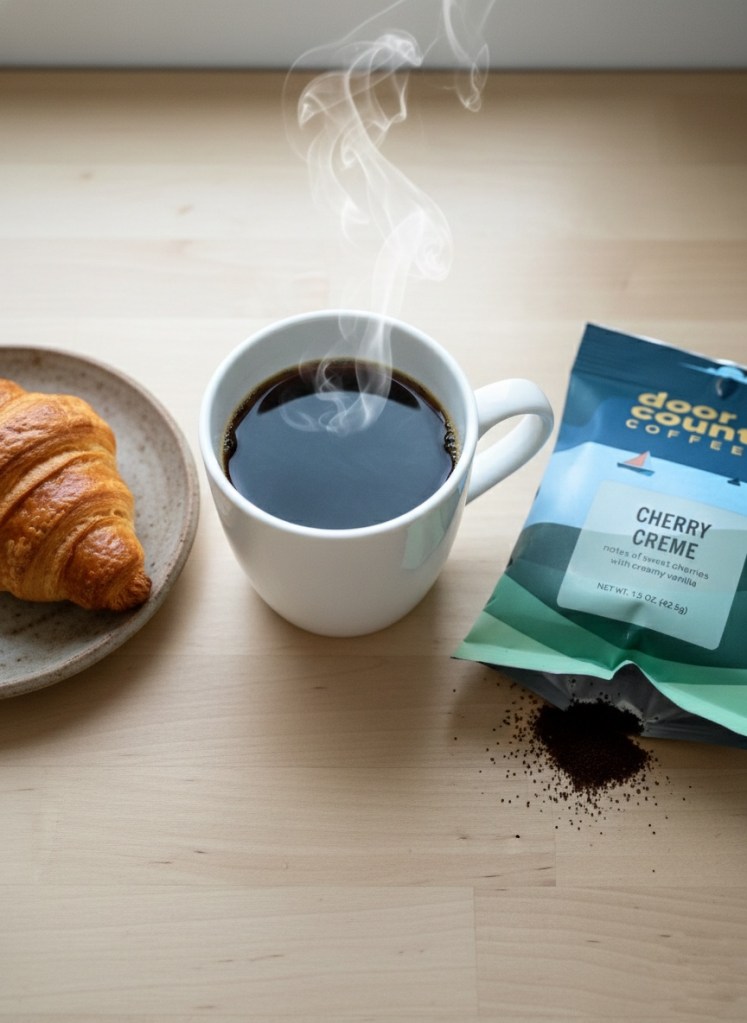
If you’ve already picked up a bag and find the “medicinal” finish a bit much, don’t toss it! As we say in the kitchen, if a flavor is too sharp, you need fat or salt to round it out. Here are three ways to make this LTO work for you:
- The “Black Forest” Treatment: Mix this coffee 50/50 with a dark, chocolatey roast (like a French Roast or a Mocha blend). The cocoa notes will anchor the flighty cherry flavor and turn the “cough syrup” into a decadent chocolate-cherry profile.
- The Shortbread Buffer: Pair a cup with a high-butter-content cookie or a plain croissant. The fats coat your tongue, creating a physical barrier that softens the “cloying” finish of the cherry flavoring.
- The Cold Brew Pivot: Try brewing this cold for 12–16 hours. Cold extraction typically pulls fewer of those volatile, bitter compounds that contribute to the “medicine” taste, potentially leaving you with a smoother, fruitier concentrate that’s great over ice with a splash of heavy cream.
Conclusion: Lessons from the Orchard
After four days of testing, I’ve come to a definitive conclusion: The Door County Cherry Creme will not be joining my permanent collection. While I applaud the quality of the roast, the cloying nature of the finish is a dealbreaker. In my professional opinion, a flavored coffee should enhance the morning, not leave you reaching for a glass of water to wash away an aftertaste.
At the end of the day, my “Things I Enjoy” philosophy is about the pursuit of the “Perfect Bite.” Part of that journey involves taking risks and being honest when they don’t land. Food is subjective, but quality is measurable. Door County gets the coffee right, but this specific flavor profile feels like it needs a bit more time in the “test kitchen.”
I’m curious, are you a fan of fruit-flavored coffees, or do you think fruit and beans should stay in separate aisles? Have you ever found a cherry coffee that didn’t remind you of a cold remedy?
Let me know in the comments below, I’m still on the hunt for the perfect fruity brew!
 Things I Enjoy